
A professional check-up for your potential home
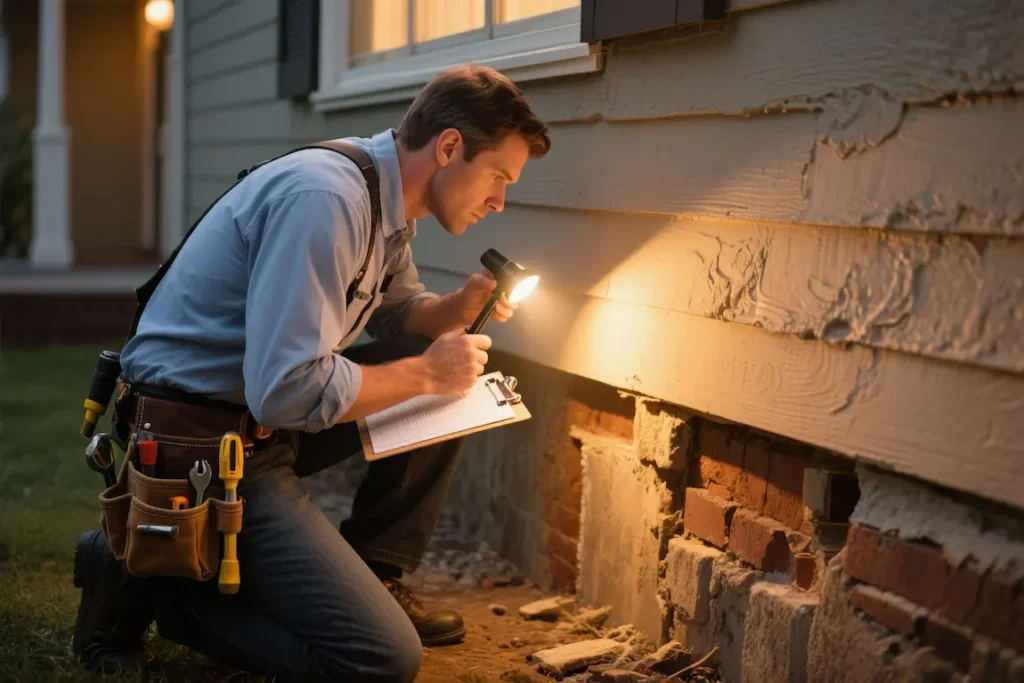
A home inspection is a non-invasive, visual examination of a residential property’s physical structure and systems, from the roof to the foundation. Conducted by a qualified professional home inspector, it aims to identify any existing or potential issues that might not be apparent to the average buyer. It’s a critical step usually performed after an offer has been accepted but before the final closing.
Uncovering hidden issues: Why it's essential for buyers
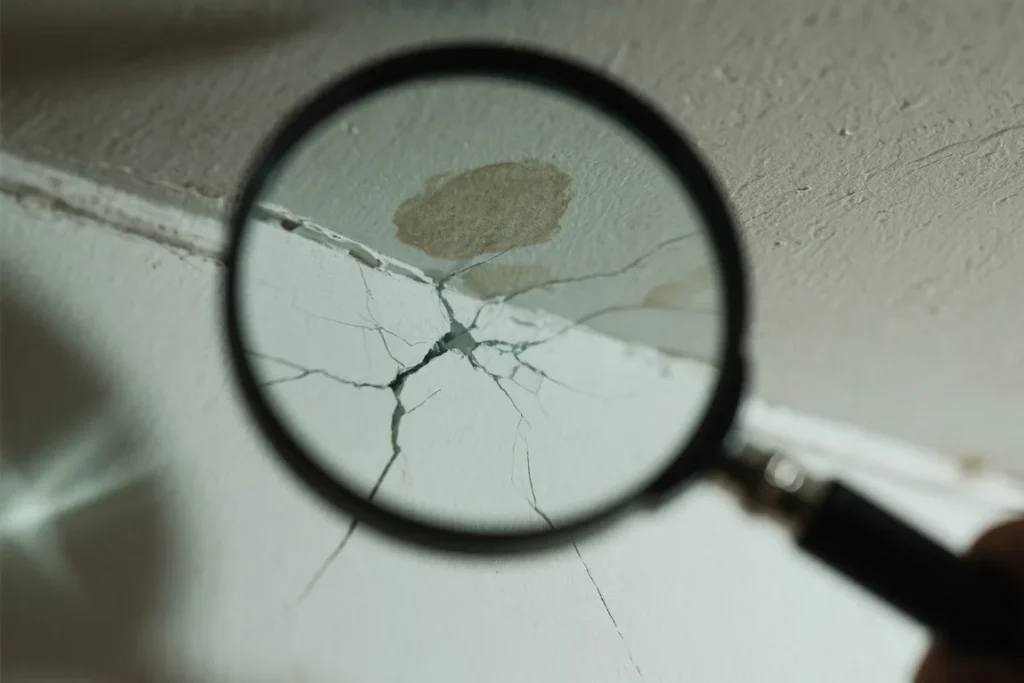
For buyers, a home inspection provides crucial information about the property’s condition, potentially uncovering costly problems like a leaky roof, outdated electrical wiring, plumbing issues, or foundation concerns. This knowledge allows buyers to make an informed decision – they can proceed with the purchase, renegotiate the price, request repairs from the seller, or even withdraw the offer if major problems are found.
Key areas of examination
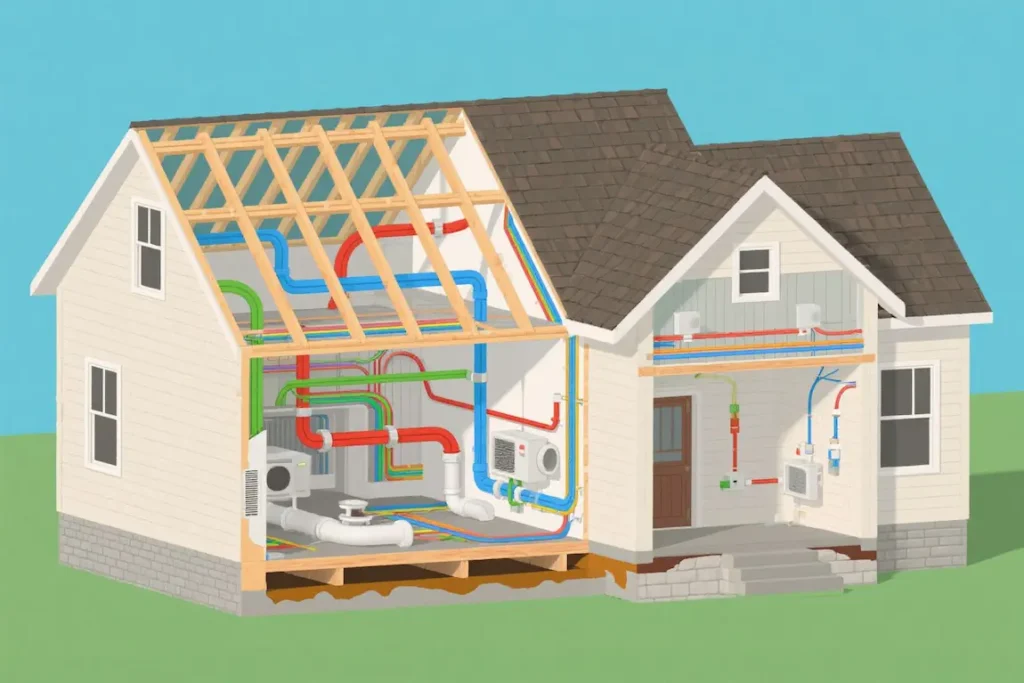
A thorough home inspector will examine numerous components of the house. Key areas typically include the structural system (foundation, framing), exterior (siding, windows, doors, grading), roof system, plumbing system, electrical system, heating, ventilation, and air conditioning (HVAC) systems, interior (walls, ceilings, floors), insulation, and ventilation. They are looking for defects, safety hazards, and items nearing the end of their service life.
Interpreting the report and making informed decisions

Following the inspection, the buyer receives a detailed written report outlining the findings, often including photos. It’s important to review this report carefully, distinguishing between minor cosmetic issues and significant defects requiring immediate attention or costly repairs. Discussing the report with your real estate agent and the inspector can help you understand the implications and decide on the best course of action regarding your purchase contract.